

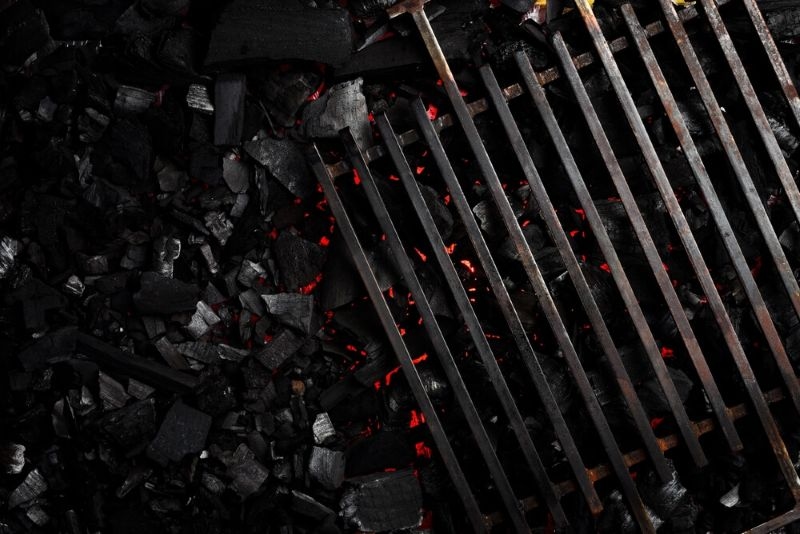
Buying a grill sounds simple until you actually try to pick one. You search once, and suddenly you’re comparing burners, vents, BTUs, smoke flavor, and cooking styles.
Most people are really deciding on one thing: gas vs charcoal grill.
Both cook good food. The difference is how you cook, how often you use it, and whether grilling feels like dinner prep or a weekend activity.
This guide keeps it practical so you can choose the best BBQ grill for beginners or for serious backyard cooking without guessing.
A gas grill burns propane or natural gas through burners. A charcoal grill burns hot coals that create radiant heat and smoke.
That single change affects every part of cooking.
Gas heats quickly and temperature is adjusted with a knob.
Charcoal takes longer to start and heat is controlled by airflow vents and coal placement.
So instead of thinking brand first, think cooking style first.
Gas = controlled cooking
Charcoal = fire management cooking
With gas, you cook similar to a kitchen stove outdoors. With charcoal, you manage fuel and airflow like a small fire pit designed for cooking.
That difference decides how often people actually grill. Many owners start with charcoal and later move to gas because weeknight cooking becomes easier.
This is the argument people actually care about.
Charcoal produces smoke that sticks to meat fat and creates the typical barbecue flavor.
Gas produces cleaner heat and keeps the natural taste of the food clearer.
Here is what you notice in real use:
Little difference
Big difference
Fast cooked foods often taste similar on both grills because they don’t absorb much smoke.
So the propane grill vs charcoal taste debate depends on what you cook most.
If dinner is quick meals, gas works fine.
If you want barbecue flavor, charcoal matters.
A simple example:
Chicken breast cooked in 12 minutes tastes nearly identical.
Ribs cooked for 4 hours taste completely different.
More to Discover: Check The Top 13 Expert grilling Tips for beginners
People still buy charcoal grills for specific reasons, not nostalgia.
Charcoal gives richer smoky flavor that defines barbecue cooking.
Great for steak crust and searing. Lump charcoal especially produces very high heat.
You can grill, roast, and slow cook using indirect heat zones.
Entry charcoal grills are usually cheaper than gas.
You actively manage airflow and coal placement which many enjoy.
Kettle charcoal grills are lighter and easy to move around patios or campsites.
These charcoal grill benefits matter most for weekend cooking and hobby grilling.
Gas grills dominate patios for one reason: convenience.
Turn knob and cook within minutes.
Adjust heat instantly instead of adjusting vents.
No ash and less smoke output.
Works well for chicken, fish, and vegetables.
Food cooks evenly because heat remains stable.
Gas grills are easier to learn and beginner friendly. This makes them the best bbq grill for beginners in most households.
If you are new to grilling, choose gas.
Beginners usually struggle with charcoal because temperature changes constantly. You must manage oxygen, coal amount, and flare ups at the same time.
Gas removes that complexity.
You focus on cooking food, not controlling a fire.
Charcoal makes sense for beginners only if learning barbecue itself is the goal, not just making dinner.
A good rule:
If you plan to grill twice a week, buy gas.
If you plan long weekend cooking sessions, charcoal can be worth learning.
Your living situation affects the right choice more than brand does. A proper backyard grilling guide USA always considers lifestyle first.
Weeknight family cooking
Gas works better because it starts fast and cooks evenly.
Weekend hosting
Gas handles multiple batches without waiting for new coals.
Barbecue hobby cooking
Charcoal is better for ribs and brisket sessions.
Small patio or HOA areas
Gas produces less smoke and is usually allowed.
Cold or windy states
Gas stays consistent while charcoal loses heat faster.
Large backyard setups
Many people eventually keep both types for different occasions.
Your environment decides half the answer before features even matter.
Also check: Best Grills: Picks for BBQ Lovers and Outdoor Cooks
Ignore marketing features first. Focus on fundamentals. A proper grill buying guide 2026 still prioritizes build quality over smart features.
2 to 3 people: about 350 sq in
Families or guests: 500 sq in or more
Gas uses multiple burners
Charcoal uses adjustable vents
Thicker steel or ceramic holds heat better and reduces fuel usage
Gas requires grease tray cleaning
Charcoal requires ash removal
New grills now include thermometers and phone monitoring, but they do not replace cooking skill
A good grill is stable, holds heat, and cooks evenly. Extra features come later.
People compare purchase price but forget operating cost.
Gas grills cost more upfront but fuel is consistent and predictable.
Charcoal grills cost less initially but fuel cost accumulates with frequent use.
Frequent weekly cooking usually becomes cheaper on gas within a few years. Occasional weekend grilling keeps charcoal economical.
Gas excels at
Charcoal excels at
This comparison alone solves most gas vs charcoal grill confusion. Match the grill to your cooking habits instead of trends.
Gas grills need hose checks and grease tray cleaning.
Charcoal grills need ash removal after cooking.
Gas produces less smoke residue around the patio.
Charcoal requires more airflow awareness during cooking.
Maintenance effort is lower on gas but both require regular cleaning.
You may also like: The Charcoal Grills Guide for Beginners and Backyard Cooking
Here is the simplest rule.
Choose gas if you want reliable meals and frequent use.
Choose charcoal if you want flavor and enjoy the cooking process.
Most households end up using gas more often.
Most barbecue enthusiasts prefer charcoal.
The best grill is the one you will actually use every week.
Here are quick answers to common buyer questions.
Gas produces fewer smoke byproducts while charcoal produces more combustion residue on food surfaces.
Yes, but expect a learning period managing airflow and heat levels before consistent results.
Both last years if maintained. Gas grills need occasional burner replacement while charcoal grills mainly need grate replacement.
This content was created by AI