

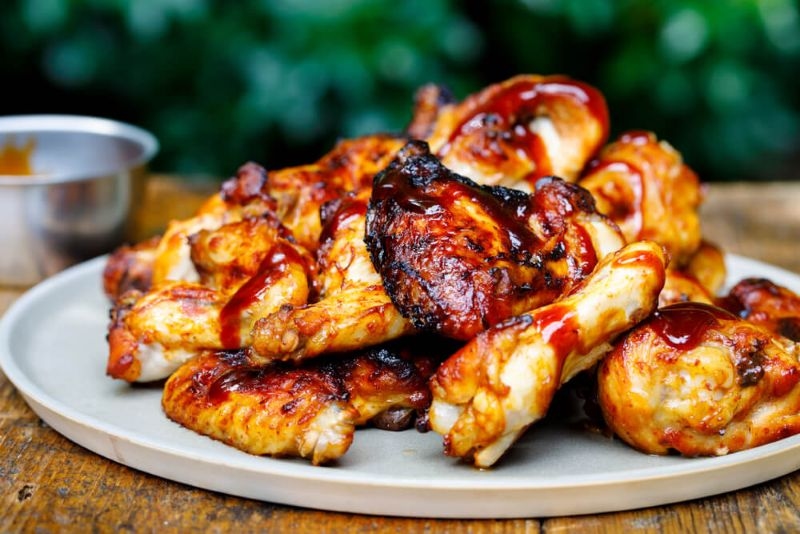
Are you tired of repeating the same backyard barbecue routine? Most people end up cycling through the same few recipes every time they fire up the grill, which is why everything starts to feel predictable after a while. The issue usually isn’t a lack of effort, but sticking to the same approach without changing how flavors are built or how heat is used. Once you understand that, even a simple recipe can turn into something far more interesting. This Bourbon peach chicken recipe is a good example. It combines the deep, oaky notes of bourbon with the natural sweetness of ripe peaches, creating a balanced flavor that feels different without making the process complicated or hard to follow.
Before we light the charcoal, let’s look at why this combination is a staple in high-end Southern cooking. Bourbon brings a natural vanilla and caramel profile to the table, which stems from the charred oak barrels it is aged in. When you marry that with the acidity of a fresh peach, you create a flavor profile that hits every part of the palate. This grilled chicken recipe relies on that chemistry to ensure the meat stays succulent while the skin develops a "tack" that is both sweet and savory.
Follow these steps in order to get consistent results from prep to final glaze. Each stage builds on the previous one, so timing and sequence matter just as much as the ingredients you use.
A great smoked chicken recipe starts long before the meat touches the grate. To get the best results, you need to focus on two main areas: moisture and seasoning.
The heart of this dish is the sauce. Most store-bought BBQ chicken recipes rely on high-fructose corn syrup, but we are going for something much more refined.
Ingredients:
To prepare the bourbon peach glaze recipe, simmer these ingredients in a small saucepan over medium heat. You want the peaches to break down until they are soft enough to mash with a fork. Once the mixture has reduced by half and looks like thick syrup, strain it through a fine-mesh sieve for a smooth finish, or leave the fruit chunks in for a rustic texture.
Controlling heat zones is the difference between evenly cooked chicken and burnt skin with raw meat inside. Use a two-zone setup: coals on one side, the other side left cooler.
This is where most people go wrong. Sugar-based sauces burn quickly if applied too early. Wait until the chicken reaches around 155°F. Brush on a thin layer of glaze, let it set for a couple of minutes, then flip and repeat. This builds a lacquered finish instead of a burnt coating. By the time the chicken hits 165°F, the glaze should be caramelized and slightly sticky.
Resting allows the chicken to retain moisture instead of losing it immediately after cooking. This step gets skipped more often than it should. If you cut into the chicken immediately, the juices will run out. Let it rest for about ten minutes, loosely covered with foil. This allows the meat to reabsorb moisture and stay tender. It also stabilizes the internal temperature, so the texture remains consistent throughout each piece instead of drying out at the edges.
To get professional results for your bourbon chicken recipe, you need to have the right tools at your disposal. Different types of grills also affect heat management, so you need to consider the overall setup as well as the individual tools. The wrong tools and equipment can make a leisurely cookout a stressful chore, so refer to the chart below and check your supplies before you get started.
| Tool | Purpose | Why it Matters |
| Instant-read Thermometer | Safety and juiciness | Prevents overcooking |
| Silicone Basting Brush | Applying glaze | Even coating without damage |
| Long-handled Tongs | Flipping | Keeps distance from heat |
| Wood Chunks | Smoke flavor | Adds depth to the dish |
The type of bourbon you choose directly affects the final flavor of the glaze. The alcohol mostly cooks off, but the flavor doesn’t. A high-rye bourbon adds a bit of spice, while a wheat bourbon leans softer and sweeter. Either works; it just depends on the profile you want. Choosing a better-quality bourbon results in a cleaner, more balanced glaze rather than a sharp or overly harsh finish.
Lighter, contrasting sides help balance the richness of the chicken. Because this smoked chicken recipe is inherently bold and smoky, lighter sides work best to prevent the palate from becoming overwhelmed. A vinegar-based coleslaw cuts through the sweetness of the peach glaze recipe quite nicely. Grilled peach halves also work well and tie the whole plate together without adding extra complexity to your grilled chicken recipe. You can also include simple sides, such as roasted vegetables or a fresh salad, to keep the meal balanced and not overly heavy compared to other more traditional BBQ chicken recipes.
Cooking a well-balanced Bourbon peach chicken is less about complexity and more about execution. When you control heat properly, time the glaze correctly, and let the meat rest, the results become consistent and repeatable. These are the kind of expert grilling tips that make a real difference without adding extra steps. What distinguishes this Recipe is that each step in the recipe is a building block to the next, from prep to finish. It’s not dependent on heavy sauces or blasting your taste buds with the same flavor; it creates depth with timing and layering. Once you know the process, the whole thing is easy to do and you can even improvise for what you like, which makes it good for casual cooking and for serious grilling.
Yes, frozen peaches work well and are often a reliable option when fresh peaches are not in season. They are typically frozen at peak ripeness, which helps preserve their natural sweetness and flavor. The key step is to thaw them completely and drain any excess liquid before cooking. If you skip this, the glaze may become too thin and take longer to reduce, which can affect both texture and flavor concentration.
In most cases, yes, because the majority of the alcohol cooks off during the simmering and grilling process. What remains is primarily the flavor profile rather than the alcohol content itself. However, trace amounts can still be present. If you prefer to avoid it entirely, you can substitute bourbon with apple juice and a small amount of vanilla extract. This keeps the sweetness and depth without introducing alcohol into the recipe.
The best way to reheat this chicken is in the oven rather than the microwave, which tends to dry out the meat quickly. Place the chicken in a baking dish, add a small amount of water or broth, and cover it tightly with foil. Heat it at around 325°F until warmed through. This creates a light steaming effect that helps retain moisture while keeping the glaze from becoming overly sticky or burnt.
This content was created by AI