

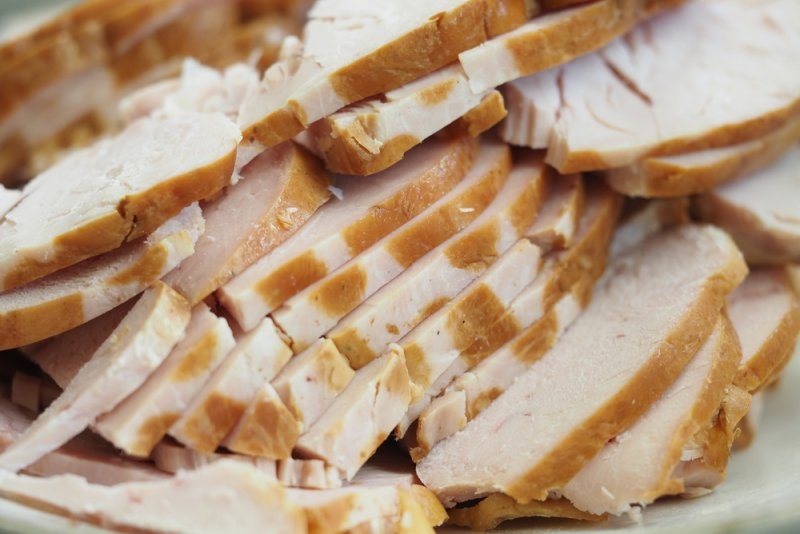
Smoking a turkey breast isn’t hard. Most problems come from cooking too hot or for too long — turkey breast is pretty lean, so there's not much room for error. What you want is seasoning, steady heat, and real attention to temperature. There's no need for high-tech gear or a spice collection that's out of control.
Simple works. The smoke does most of the heavy lifting, building a rich, savory flavor while the meat stays tender. Here, you’ll get a straightforward smoked turkey breast recipe — ingredients, prep tips, smoking steps, temperature advice, some examples, and troubleshooting in case things go sideways.
This smoked turkey breast recipe is designed for a boneless or bone-in turkey breast weighing roughly 3 to 5 pounds. Bone-in meat may take a little longer, while a boneless breast tends to cook more evenly.
The goal is not simply to make turkey smoky. It should stay moist inside, develop a lightly firm exterior, and slice without falling apart or turning dry.
Knowing how to prepare a smoked turkey breast makes the actual cooking much easier. Pat the turkey dry first. Trim off any loose skin or extra fat, but leave enough skin to shield the meat while it smokes.
For extra moisture, brine the turkey for several hours or overnight. A dry brine is also useful when you want stronger seasoning without adding much liquid.
You may also like: Ultimate BBQ Checklist: All You Need for a Perfect BBQ Party
The seasoning for smoked turkey breast should support the smoke instead of covering it. You want savory, slightly sweet, peppery flavor rather than a thick crust of competing spices.
For this smoked turkey breast recipe, use:
Mix the dry seasoning for smoked turkey breast in a small bowl. Rub the turkey with oil or butter, then coat every surface generously.
For example, if the turkey has a thick side and a thinner side, apply slightly more seasoning to the thicker area. It helps keep the flavor balanced after slicing.
The question of how to smoke a turkey breast sounds simple, but heat management matters more than anything else. Set the smoker to about 250°F. Apple, cherry, or pecan wood works well because these flavors are milder than heavy woods.
Place the turkey breast directly on the grate with the thicker section positioned toward the hotter area if your smoker has noticeable temperature differences.
The correct smoked turkey internal temperature is the key checkpoint in this recipe. Insert a reliable meat thermometer into the thickest part, avoiding the bone if using bone-in turkey.
Smoke the turkey until it hits 165°F inside—that’s how you know it’s safe to eat. If you remove it slightly before that point, it should still reach 165°F during resting; verify the final temperature rather than guessing.
For this smoked turkey breast recipe, cooking time is only an estimate. A 3-pound breast may finish much earlier than a larger 5-pound piece.
Here is the practical method for this smoked turkey breast recipe:
1. Prepare the turkey
???????Pat the breast dry, trim excess skin or fat, then apply oil or softened butter. Cover the entire surface with the prepared seasoning. Let it sit for about 20 to 30 minutes while the smoker heats.
2. Preheat the smoker
Preheat the smoker to around 250°F. Place the wood of your choice and allow smoke to fill the chamber and stabilize. Don't over-smoke, as heavy white smoke will give the turkey a bitter taste.
3. Start smoking
Place the turkey breast on the grate, skin-side up when applicable. Insert the thermometer into the thickest section. Once you close the smoker, try not to keep opening it. The heat needs to stay steady.
4. Monitor the temperature
Take a temperature check of the turkey before it arrives at the goal line. Use the thermometer, not time—A smoked turkey is ready when it's at the correct interior temperature, not after a specific amount of time.
5. Finish and rest
Remove the turkey when it reaches a safe final temperature. Tent it loosely with foil and rest for about 15 to 20 minutes. Then slice against the grain.
That rest is not decoration. It helps the juices settle.
Also check: 5 Creative Ways to Master BBQ with a Grill Side Burner
Even a good smoked turkey breast recipe can go wrong if a few details are ignored.
Usually, the meat stayed on the smoker too long. Temperature matters more than the clock. Check the thickest part early, especially with a smaller breast.
Another issue is slicing immediately after cooking. Resting gives the meat time to retain more moisture.
Sugar-heavy rubs can darken quickly at smoker temperatures. If the crust is becoming too dark before the turkey is cooked, reduce direct heat exposure and keep monitoring the internal temperature.
More smoke is not automatically better. Use a moderate amount of wood and aim for clean smoke. Mild fruit woods are often easier to control for turkey.
Once rested, slice the turkey against the grain into even pieces. Thin slices work well for sandwiches, while thicker cuts are better for dinner plates.
This how to prepare a smoked turkey breast approach also makes leftovers easier to use. Refrigerate leftovers promptly in a covered container and use them for wraps, salads, soups, or breakfast sandwiches.
For a simple serving idea, pair the turkey with roasted potatoes, green beans, cranberry sauce, or a sharp mustard. The smoky meat does not need much help.
Keep checking the smoked turkey internal temperature near the end rather than repeatedly opening the smoker. Every opening lets heat escape.
For a reliable smoked turkey breast recipe, remember the basics:
The seasoning for smoked turkey breast can change, the wood can change, even the brining method can change. The temperature control should not.
Explore More: A Beginner’s Guide to What a Pellet Grill Is Used For
Don’t complicate the process. Start with the right prep, use a balanced seasoning mix, hold the temperature steady, and watch the thermometer. That’s your foundation. Smoke builds deeper flavor, but temperature keeps your meat from drying out or toughening up.
Actually, here’s the one thing not to forget: don’t trust the clock, trust your thermometer. Let the meat rest when it’s done, and slice it correctly. Those details are what take your turkey from just okay to actually memorable.
This recipe fits all kinds of occasions — weekend dinner, holidays, meal prep, or just piling leftovers onto sandwiches. Once you get comfortable with the basics, it’s no big deal to switch up the seasonings or try a different smoking wood.
Not a good idea. The turkey needs to thaw completely so it cooks evenly. If the center is frozen, the outside gets overcooked while the inside stays raw. That’s a recipe for disappointment.
Usually you’ll want to leave it uncovered. That way, the smoke can do its thing, and you get the right color and flavor on the outside. Covering matters only if your turkey gets too dark or you need to save some moisture near the end.
Definitely. Potatoes, onions, peppers, carrots — toss them in if your smoker has space and can handle the temperature. Keep them in a tray so their juices don’t mess up the turkey.
Yes. Once cooked, let the turkey cool thoroughly, pack it into freezer bags, and freeze it for later use. Thaw the smoked turkey in the refrigerator before reheating.
Apple, cherry, or pecan are good bets since their smoke is pretty mild. If you like stronger flavors, you can go with heavier woods, but use them gently — you don’t want the smoke to smother the turkey’s natural flavor.
This content was created by AI